
AI-Assisted Trip Organization: What It’s Actually Good For (and Where It Falls Apart)
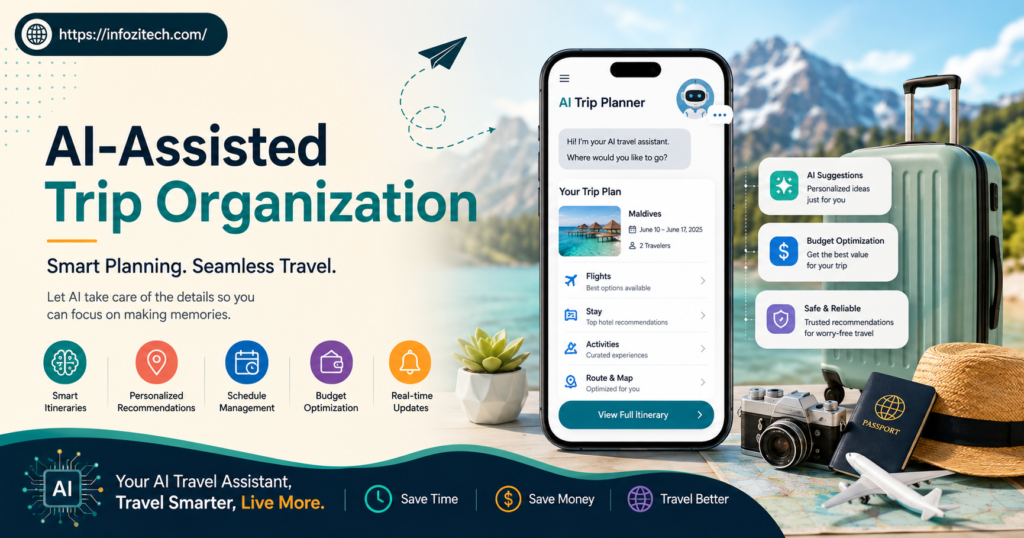
Midnight, half-jetlagged from a completely different trip, trying to figure out where to stay in Lisbon for six nights without reading twenty blog posts that all somehow recommend the same four neighborhoods — that’s how I ended up leaning on an AI tool for most of the planning. Worked, mostly. Got me maybe eighty percent there in twenty minutes, which is absurd when you think about how long this stuff used to take. The other twenty percent, though. Actual booking. Reading the cancellation policy instead of skimming it. Finding out a “highly recommended” restaurant had closed two years ago, and nobody updated the internet about it. That part was still just me, doing it the slow way, like always.
So that’s the honest version, I think, of where this whole AI trip planning thing actually stands. Useful, genuinely, for a big chunk of the grunt work. Not something you hand the whole trip to and just walk away from, though — I learned that the hard way, sort of, in a low-stakes way that just meant an extra ten minutes of walking to find dinner instead of anything actually bad happening.
Why Everyone’s Suddenly Doing This
Used to be fifteen tabs open, half of them travel blogs from three years ago, the other half booking sites that show you a different price for the same room depending on which tab you happen to click first, for reasons nobody’s ever fully explained to me. Tedious. Not hard. Just slow, and it eats an evening you didn’t actually have to spare, especially the week before a trip when you’ve got twelve other things going on.
AI cuts a lot of that down because it can pull stuff together fast and let you argue with it in real time instead of opening yet another browser tab. You say “actually I hate museums, skip that whole day,” and it just — adjusts. Try getting a static blog post to do that.
It’s Not Replacing Your Taste, It’s Just Faster at the Boring Part
The value here isn’t that the AI somehow knows what you like better than you do. It doesn’t. What it does is take something vague — “somewhere warm, not too touristy, good food, whatever that means” — and turn it into an actual starting point way faster than doing it yourself from a blank page. Then you’re the one who refines it from there.
Where It Actually Helps
The First Draft of an Itinerary
Probably the best use of the whole thing, honestly. Dates, destination, rough vibe, and you get a day-by-day skeleton back in seconds instead of the hour or two it used to take piecing one together manually. You won’t use it exactly as written — nobody does — but as a starting point it’s hard to beat.
Figuring Out Where to Actually Stay
Instead of ten “where to stay in Barcelona” articles that mildly contradict each other, you can just ask — walkable to downtown, quiet at night, near decent coffee — and get four options instead of forty. Cuts the scrolling down by a lot.
The Boring Math of Comparing Options
Free breakfast but a worse location, versus pricier but closer to everything — that kind of comparison is exactly the tedious arithmetic AI’s actually decent at. Give it the constraints, it lays the tradeoffs out plainly instead of you doing mental math at 11 pm with a glass of wine and diminishing patience.
Packing Lists That Aren’t Completely Generic
A generic packing list is useless; everyone knows this. One that actually factors in the destination’s weather, how long you’re gone, whether there’s a hiking day or a fancy dinner planned — that’s worth something. AI’s decent at this once you give it the actual specifics instead of leaving it to guess.
Untangling Confusing Booking Confirmations
Ever gotten a confirmation from a budget airline that reads like it went through four translation passes and came out the other side slightly broken? Feed it in, ask “what do I actually need to know here,” and suddenly it’s three clear bullet points instead of a wall of confusing legal-sounding text. Small thing. Saves real confusion at the gate later, though.
Where It Just Falls Apart
It’s Confidently Wrong Sometimes, and You Won’t Know Until You Check
This is the big one, the one that actually matters. Restaurant hours, whether a museum’s closed on Tuesdays, whether some attraction even still exists — AI will state this stuff with total confidence and be flat wrong. Always double-check anything time-sensitive against the actual source before building a day around it. Learned this one the annoying way, more than once.
It Doesn’t Know How Tired You Actually Get
A perfectly reasonable itinerary on paper can wreck you in practice. It doesn’t know you hate mornings. Doesn’t know your travel companion needs a slow start or they’re miserable all day. Doesn’t know back-to-back museums make you want to just lie down in a park somewhere and stare at pigeons for a while. You have to build that in yourself because it will not guess it.
Bookings Still Need Actual Human Eyes on Them
Never, ever let a suggestion go straight to booking without reading the fine print yourself. Cancellation policies. Hidden fees. Whether “central” actually means a forty-minute walk from anything worth walking to. These slip through when you’re moving fast and trusting a summary too much.
Local Flavor Gets Sanded Down
A lot of AI travel advice ends up sounding weirdly the same no matter the destination — same structure, same “hidden gem” phrasing, same handful of overused suggestions that show up everywhere. Actual local knowledge, from someone who lives there or wrote a genuinely detailed trip report, still beats the generic version for the weird specific stuff that actually makes a trip good.
How I’d Actually Use This, Realistically
Start Vague, Get Specific Later
“Five days in northern Italy, love food, hate crowds” — start there, let it give you a rough shape. Then narrow. Specific towns, specific days, specific tradeoffs. Gets better the more specific you get, not the other way around, which took me a minute to figure out.
Let It Cut Forty Options Down to Four, Not Four Down to One
That split works. Narrowing is mechanical and tedious; AI’s fine at it. The final call usually comes down to some gut feeling about a photo or a review that nothing can really replicate for you.
Anything With a Date Attached Gets a Second Look
Opening hours, seasonal closures, whether the ferry even runs the month you’re going — all of it, checked against something current. This single habit prevents most of the actual disasters people run into.
Keep the Same Conversation Going Instead of Restarting Constantly
If the tool remembers context, keep building on it instead of starting fresh every time you have a new question. It gets noticeably better at matching what you want the longer you keep talking to it, rather than resetting the whole thing.
Where This Is Probably Going
Booking Gaps Are Closing, Slowly
Right now there’s often this awkward gap — AI suggests something, you go book it somewhere else entirely, copy-pasting details between two windows like it’s 2015. That’s closing as more platforms connect suggestions directly to live pricing instead of leaving you to do the handoff manually.
It’s Getting Better at Remembering How You Actually Travel
The more a tool picks up on your pace, your food preferences, whether you’re a morning person or genuinely cannot function before 10 am — the less generic everything gets. Improving unevenly, across different tools, some way ahead of others here.
More Willing to Say “I’m Not Sure”
The better tools are starting to flag uncertainty instead of stating outdated stuff with total confidence. Good sign. Needs to keep going in that direction if anyone’s going to actually trust it with real money and real bookings.
What You Should Never Fully Hand Over
Money Stuff
Check total costs yourself, always. Currency conversion, resort fees, city taxes tacked on at checkout — these slip through summaries constantly, and you’re the one paying the difference, not the AI.
Documents
Visa rules, passport validity, entry restrictions — verify these against an actual embassy or government source, not a confident-sounding paragraph that might be a few months stale. Stakes are too high here to trust a summary.
How a Place Actually Feels
No tool can tell you how a neighborhood feels walking through it at 9 pm, or whether a restaurant’s vibe matches your mood that night. That’s still a human call, built out of photos and reviews and a bit of gut instinct nobody’s automated yet.
Final Thoughts
Lisbon worked out fine, for what it’s worth. Good neighborhood, good food, one closed restaurant that accidentally led to a much better one two blocks over. AI got me the rough shape fast — genuinely fast, faster than I could’ve done it. I still did the verifying, the actual booking, the noticing-something-was-off-and-adjusting-on-the-fly that every trip eventually demands, no matter how good the planning tool is.
That’s probably the honest takeaway. Use it to skip the boring repetitive parts. Keep your own judgment in charge of anything involving money, documents, or how a place is actually going to feel once you’re standing there. The tools are legitimately useful now. Just not a replacement for paying attention.