
How to Install Software Without Admin Rights
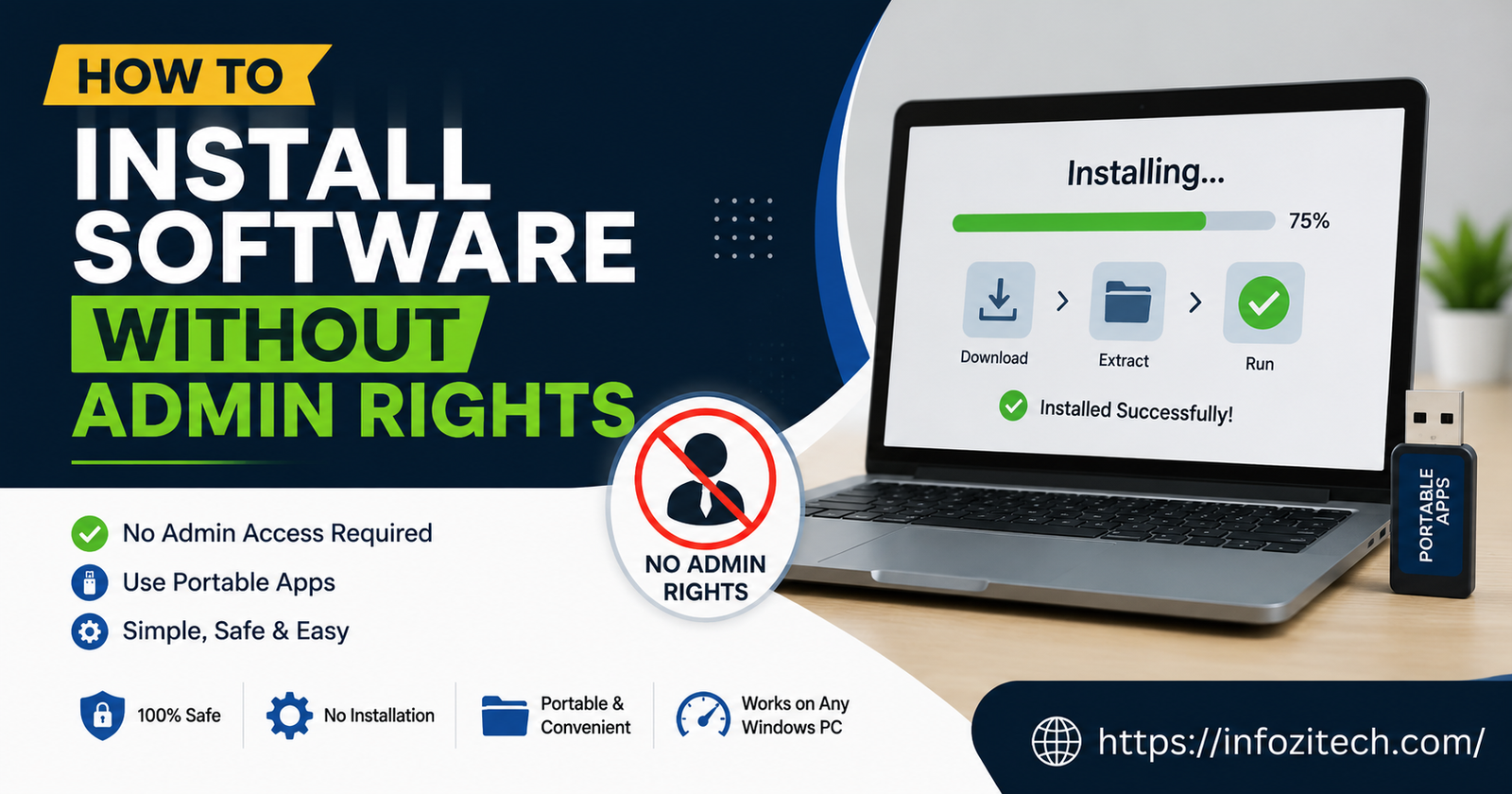
Okay, so anyone who’s worked somewhere with a genuinely locked-down IT department knows this moment. Need one tool. Just one. To get through the afternoon, and Windows throws up that little shield icon, tells you politely that you need administrator permission, and IT takes three days minimum to respond to tickets, your manager’s out of office naturally, and the deadline’s today. Not next week. Today.
I’ve sat on both sides of this, actually, which is a weird thing to admit. Worked somewhere with brutally restricted machines once. Later ended up helping set up device restrictions myself at a different job, so I get why the wall exists now in a way I didn’t back when I was just annoyed by it. Companies lock down admin rights mostly to stop malware, stop people accidentally breaking things, stop the guy in accounting from installing some sketchy toolbar that tanks the whole network. Reasonable, when you step back and think about it. Doesn’t help you right now though, staring at a deadline, needing a PDF editor that Windows won’t let you touch.
So here’s what actually works. Legally. Without setting off any alarms with your IT team, which matters more than people think.
Why This Restriction Exists At All
Worth understanding before trying to work around it, because the reason behind the lock changes what you’re allowed to do about it.
Mostly Security
Malware usually needs admin access to really dig into a system and cause damage. Restricting rights across the board is one of the cheapest, simplest ways a company cuts down on infections, way cheaper than buying premium security software for every single device in the building.
Keeping Things Predictable
If everyone installed whatever they felt like, IT support turns into an endless loop of “well, it works fine on my machine” conversations that go nowhere. Locked environments are just easier to troubleshoot when something breaks, because fewer variables exist.
Sometimes It’s Legally Required
Finance, healthcare, a few other industries — actual legal requirements exist around what software touches company devices. Not always IT being difficult for the sake of it. Sometimes it’s genuinely something they can’t just wave away no matter how nicely you ask.
Portable Apps First, Because It’s the Easiest Win
Start here, honestly, before trying anything more complicated. Portable software just runs. No installation. No admin permission needed anywhere in the process.
What Even Makes Something “Portable”
Runs straight off an executable, doesn’t write to system folders or mess with the registry the way a normal installer insists on doing. You download it, sometimes unzip a folder, double-click, and it just opens.
Where People Actually Find These
- PortableApps.com has this massive library: browsers, editors, office tools, all built specifically for exactly this situation
- A lot of developers quietly offer a portable download right on their own site next to the regular installer — people just don’t look for it
- GitHub, especially for open-source stuff, often has portable builds sitting around, particularly for developer-focused tools
USB Drives Sometimes Change the Rules
If your work machine restricts even running unfamiliar executables from the local drive, keeping portable apps on a USB stick and running from there occasionally works differently, policy-wise. Varies a ton though, depending on how paranoid your specific IT setup happens to be.
User-Space Package Managers, If You Don’t Mind a Command Line
If you’re even slightly comfortable typing commands, this is genuinely one of the cleaner ways through.
Scoop, on Windows
Installs into your user folder instead of system folders. Which means, for most packages anyway, no admin prompt at all.
- Gets installed through PowerShell with one single command, no elevation required
- Search and grab thousands of common tools with pretty simple commands
- Lives entirely under your own profile, nothing near protected system directories
Winget, Kind Of
Microsoft’s own package manager. Some packages still need elevation, sure, but plenty of user-scope installs don’t. Worth just checking before assuming it’s a dead end, since it really does vary app by app.
Homebrew, If You’re on a Mac
Restricted Mac, typically Homebrew installs into a folder you actually own, sidestepping most admin walls. Though the really locked-down corporate Macs out there sometimes block even this, so no guarantees.
Just Not Installing Anything, Using the Browser Instead
Sometimes the smart move isn’t finding a workaround at all. It’s realizing you don’t need the software in the first place.
Google Docs, Sheets, All That
A huge amount of what people reach for desktop software to do — editing documents, spreadsheets, basic image work — has a perfectly fine browser equivalent needing zero installation.
Online Converters and Editors
PDF editing, resizing images, converting file formats, trimming audio — there’s a browser tool for nearly all of it now. Not always as powerful as the real desktop version. Often perfectly fine for a one-off task though, which is usually all you need anyway.
Browser-Based IDEs, for the Developers Reading This
Need to write or test code and can’t get a proper IDE installed? Tools that run entirely in-browser cover smaller tasks just fine without touching your actual local machine.
Actually Just Asking IT, the Right Way
Sounds too obvious to even mention, and yet, so many people skip straight to workarounds without trying this first. Often works faster than you’d expect.
Ask for Temporary Elevation
A lot of companies can grant temporary admin access for one specific install, then pull it back automatically afterward. Faster than people assume, especially if you explain exactly what you need and why, instead of just vaguely saying “I need admin rights.”
Ask If They Can Push It Remotely
Bigger companies often have remote deployment tools sitting around already. If the software’s common enough, IT might already have a way to push it to your machine without touching any admin settings themselves.
Be Specific About the Actual Need
“I need this finished today for a client deliverable” moves through the queue faster than something vague. Specificity, weirdly, speeds up IT tickets way more often than people expect it to.
Virtual Machines and Cloud Desktops, for the More Technical Route
A bit more effort here, but genuinely useful if you regularly need software your company just won’t approve.
A VM on Your Own Personal Hardware
Got a personal laptop sitting around? Running a virtual machine there sidesteps this entire issue, since you’ve got full admin rights on your own device, obviously.
Cloud-Based Virtual Desktops
Services that give you a full remote desktop environment let you run whatever you actually need over there, then just interact with it through a browser window sitting on your restricted work laptop.
Things Worth Not Doing
Don’t Go the Exploit Route
Using known vulnerabilities to force elevated permissions isn’t some gray area. It’s a policy violation, sometimes a fireable one depending on your company. Everything above works within the actual system, not around its security, which matters.
Don’t Grab Random Portable Apps From Sketchy Sites
Portable doesn’t automatically mean safe, not even close. Stick to sources like PortableApps.com or the software’s own official page, rather than some random download aggregator stuffed with ads and bundled junk you didn’t ask for.
Don’t Assume Every Wall Comes Down
Some companies restrict things for real legal reasons, not just inconvenience. If IT says no after you’ve clearly explained the business need, that’s usually the final answer, and pushing harder tends to create more friction than it’s worth.
A Reasonably Sane Way to Pick Between These
Start by asking whether a browser tool solves it, since that skips the whole problem entirely. If not, check for a portable version of whatever you need. Still stuck? Try Scoop or Winget if command lines don’t scare you off. And if none of that gets you anywhere, just ask IT directly, and be specific about what and why. Covers the vast majority of situations people actually run into.
Final Thoughts
Not having admin rights is annoying, no argument there from me. But it’s rarely an actual dead end, not really. Between portable software, user-space package managers, browser tools, and just asking the right way, most people find their way to the software they need without touching a restricted setting or waiting a week on some support ticket that goes nowhere. Pick whatever fits your specific situation, respect whatever hard limits your company genuinely has in place, and more often than not, you’ll find a way through faster than you expected going in.
./5_files/saved_resource.html





1 thought on “How to Install Software Without Admin Rights”