
How to Write a Business Proposal for Beginners
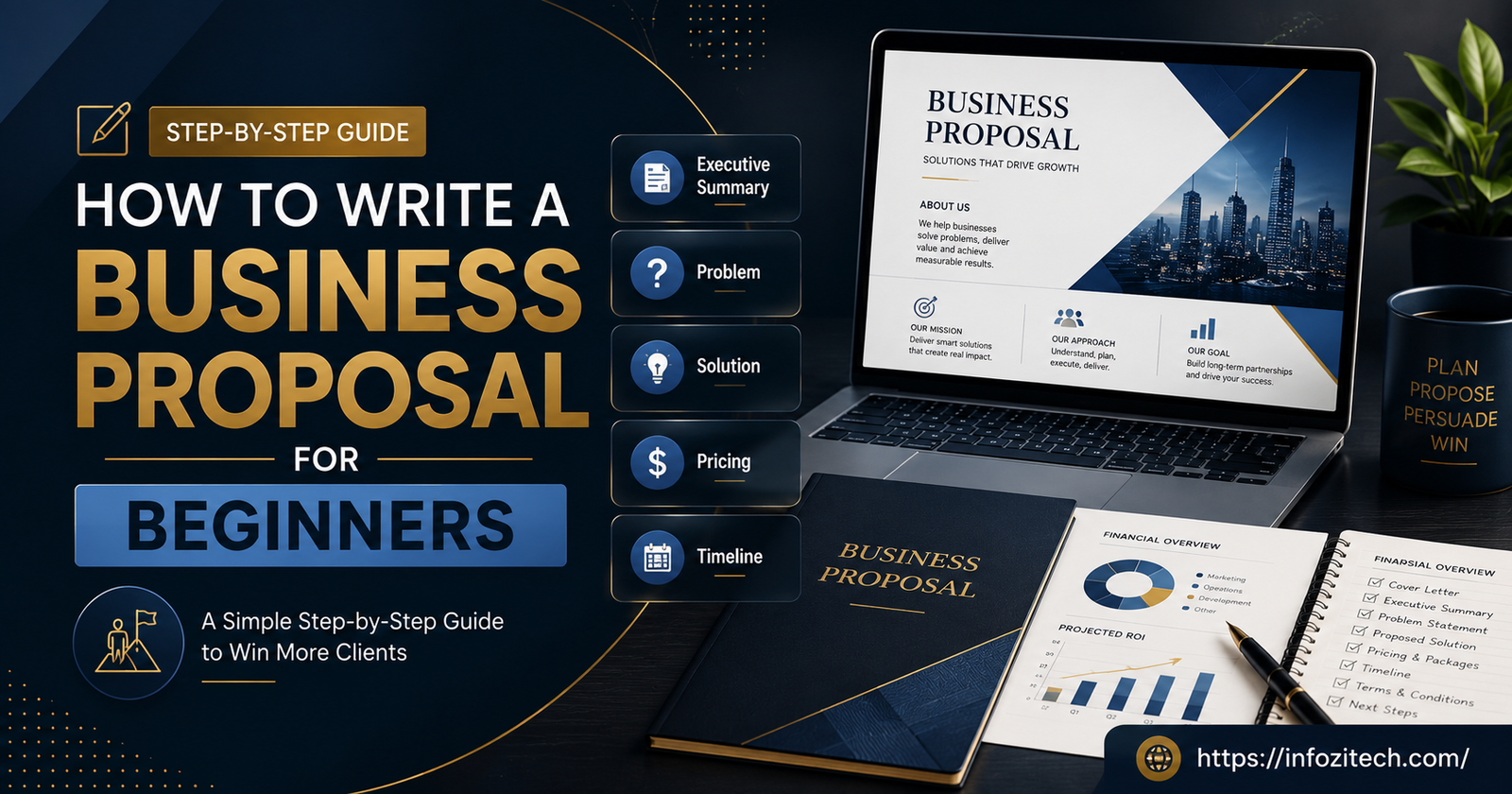
Forty minutes. That’s how long I stared at a blank Google Doc before typing a single word on my first-ever proposal, because I genuinely did not know where to start. Greeting first? Jump straight to pricing? Apologize somehow for being new at this, which in hindsight is a terrible instinct, but it’s what crossed my mind at the time. None of that matters, it turns out. Most beginners freeze at that exact spot, and not because writing itself is hard — it’s that nobody ever actually showed them the shape of the thing they’re supposed to be building.
So here’s the shape. No theory, not really. Just a real walkthrough of writing a business proposal when you’ve never done one, including the parts people skip and then regret skipping about two weeks later.
What a Business Proposal Actually Is (And What It Isn’t)
Not a contract. Not an invoice either, though beginners mix those two up constantly, understandably, honestly. Think of it instead as the document whose whole job is convincing someone to say yes before any money or signatures enter the picture. One question mostly, underneath everything: why you, over the other five people who probably also sent something this week.
Sometimes a proposal follows a conversation that already happened. A call. An email thread. Maybe a referral from someone. Other times it goes out cold — freelance and agency work does this a lot, pitching a stranger who has zero idea who you are. Same bones either way. Just different amounts of context up front, depending which one you’re dealing with.
Solicited vs. Unsolicited Proposals
Worth knowing this distinction early on. Solicited means the client asked for it — an RFP went out, or someone said “send me something in writing” after a call ended. Unsolicited is you showing up first, cold, hoping the pitch lands on its own weight. And unsolicited proposals need more groundwork underneath them. You’re basically proving you understand their business before you’ve even gotten to what you’re offering, because nobody invited you into the room yet.
Before You Write Anything, Do This
Jumping straight into writing is the mistake almost everyone makes first. A proposal built before you actually understand the client’s problem reads generic no matter how good the sentences are, and generic gets ignored. Every time, pretty much.
Talk to the Client First If You Can
A fifteen-minute call changes everything, honestly more than people expect going in. You hear the actual words they use for their own problem, not the polished business version of it, and feeding that language back to them later makes the whole proposal feel less like a template someone recycled and more like you were actually in the room listening.
Research What You’re Walking Into
No call possible? Dig around then. Website, recent posts, whatever’s public about what they’re dealing with. Not stalking, just — not sounding like the same pitch got copy-pasted to fifty companies this week. Because let’s be honest, a lot of proposals clearly are exactly that, and clients can smell it from the first paragraph.
The Core Sections of a Business Proposal
Concrete part now. Most proposals share the same skeleton regardless of industry; you can shuffle pieces around depending on context, but skipping one tends to show, one way or another.
1. Title Page
Simple, keep it that way. Your name or company, the client’s name, the date, a short project title maybe. Beginners sometimes burn an hour designing a fancy cover page, and honestly the client barely glances at it before flipping straight to the content anyway.
2. Executive Summary
Read most carefully of any section, sometimes the only part read at all if someone’s skimming on their phone between meetings. Two or three paragraphs, tight ones. The problem, what you’re proposing, why it matters. No jargon. No padding. Just the plain version of everything you’re about to explain in more detail further down.
A lot of beginners actually write this section last — after the rest exists already, it’s much easier to summarize something real than to guess ahead of time what you’re going to end up saying.
3. Problem Statement
State their problem back to them, in their language if you can manage it, not some abstract business-speak version you invented. The actual specific thing costing them time or money or, frankly, sleep some nights. This section builds trust fast because it proves you paid attention before pitching anything at all.
4. Proposed Solution
Your actual pitch lives here. What you’ll do, how, roughly what it looks like once it’s real. Beginners swing two directions with this — either way too vague (“we will improve your marketing,” which says nothing) or way too technical, burying a client in jargon they never asked for. Aim for the middle. Specific enough to feel real. Simple enough that someone reading it at 9 pm on their phone still follows along without effort.
5. Timeline
A realistic breakdown of milestones. Doesn’t need a full Gantt chart for a beginner-level proposal — a simple table with phases and rough dates does the job fine. Clients want to know when things happen almost as badly as they want to know what happens, sometimes more, actually.
6. Pricing
Clear beats clever every time here. “Contact us for a custom quote” works in a few industries but mostly just frustrates people who want a number to react to right now. Tiers or packages? Lay them side by side so the client compares without emailing five follow-up questions just to understand what they’re looking at.
7. About You (Or Your Company)
Keep it short. A paragraph, two at most. Relevant experience, past clients if name-dropping fits the context, why you specifically are positioned for this problem. Not your whole resume — nobody’s reading that deep to learn your life story, they want to know you can do the job.
8. Terms and Next Steps
Payment terms, what happens once they sign, how they actually say yes. Sounds obvious written out like that, but a shocking number of proposals just… end. No instructions. Don’t leave someone hunting around trying to figure out how to accept your offer.
Common Mistakes Beginners Make
Same patterns keep showing up in first proposals, over and over, worth naming directly:
- Writing more about yourself than the client’s actual problem, reads like a brochure instead of a solution
- Overpromising the timeline to sound impressive, then scrambling later trying to actually deliver on it
- Burying the price so deep a client has to hunt for it, which mostly just annoys people
- Reusing a generic template without customizing much of anything, obvious the same doc went to ten other companies this month
- Skipping proofreading entirely — typos quietly suggest carelessness even when the actual proposed work would’ve been solid
Formatting and Tone Tips
Short paragraphs. Nobody’s deciding whether to hire you while reading a wall of text on a phone screen during lunch. Headers help too, same way this article uses them, so a skimmer jumps straight to pricing or timeline without reading every single word along the way.
Tone-wise, professional but not stiff, please. You don’t need to sound like a law firm unless that’s literally what you are. Write it the way you’d explain the project out loud to someone smart but genuinely busy — clear, direct, a little warm even, that goes further than people assume.
Length Matters More Than People Think
No universal rule exists, but beginners overwrite constantly, padding things out trying to look more thorough than necessary. A tight two-to-four pager beats a ten-page proposal nobody finishes, every time I’ve seen it play out. Say the thing. Then stop saying it.
A Simple Example Structure to Copy
Bare skeleton, if you just want something to fill in:
- Title page
- Executive summary (2-3 paragraphs)
- Problem statement (1 short section)
- Proposed solution (longest section, still stay tight)
- Timeline (table or bullet list)
- Pricing (clear, tiered maybe)
- About you (1 paragraph)
- Terms and next steps (how to accept, payment terms)
That’s genuinely most of it. Everything past this point is customization by industry — design proposals want mockup previews, consulting proposals want case studies, that kind of thing layered on top.
Should You Use a Template?
Not cheating, despite what some beginners assume walking in. Nearly every professional reuses some base structure and tweaks it endlessly. The mistake isn’t the template itself — it’s not customizing enough of it. If a client can tell their name got swapped into a doc sent to five other companies, that’s the actual problem. Not that a template existed underneath somewhere.
Free ones live all over Google Docs, Canva, various proposal software sites. Grab one that loosely fits your industry, then actually spend real time adjusting the language until it sounds like you wrote it, not whoever built the original template three years back and moved on.
What Happens After You Send It
Don’t send it into the void and just wait around. Follow up within a few days if nothing’s come back — short, polite, not pushy about it. Clients get buried in inboxes, everyone does, and a gentle nudge does more than people expect it to. Something plain like “just checking you got this, happy to answer anything” tends to land better than a longer follow-up trying to re-sell the whole pitch all over again.
Questions or requested changes coming back? Good sign, not a rejection, despite how it feels in the moment. Most proposals go through at least one round of revision before anyone actually signs. Beginners sometimes panic the second a client pushes back on scope or price, assuming the deal’s basically dead, when really it usually just means they’re taking the offer seriously enough to negotiate the details.
Tracking Your Proposals Over Time
Once you’re sending more than one or two of these a keeping a simple log somewhere helps a lot, spreadsheet’s fine, nothing fancy needed. Who got what, when, what happened after. Not for some complicated reason — just so you’re not guessing three weeks later whether you already followed up, or reusing pricing that turned out too low last time and you forgot to bump it. Somewhere past a dozen proposals, patterns start surfacing on their own. Maybe your close rate jumps when a timeline table’s included. Maybe shorter proposals get answered faster. None of that shows up though if it’s not written down somewhere first.
Final Thoughts
Writing your first business proposal feels bigger going in than it actually turns out to be. Skeleton down — summary, problem, solution, timeline, pricing, next steps — and the rest is just filling in specifics for whoever’s on the other end. Gets faster each time, too, and eventually you’ll land on a base template of your own, one that took some real trial and error to get right.
Start simple. Don’t chase perfection on the first attempt, you won’t get it anyway. A clear, honest proposal that actually addresses the client’s real problem beats a polished, generic one nearly every single time.









4 thoughts on “How to Write a Business Proposal for Beginners”