
Simple Accounting Tips for Freelancers Who Hate Bookkeeping

Shoebox. That’s where my first year of freelance “bookkeeping” lived, actual cardboard shoebox stuffed with receipts, a few of them faded so badly by tax time I couldn’t even read the totals anymore. Not a proud story. I bring it up anyway because I think most freelancers picture accounting as some huge, intimidating spreadsheet situation meant for people with actual business degrees, and it’s really not that. Most of what matters fits into maybe thirty minutes a week. Once you know what you’re supposed to be looking at, which nobody tells you at the start, that’s the annoying part.
So here’s the article version of that. No accountant jargon, no assuming you already know what a “chart of accounts” even is. Just the practical stuff, the kind that keeps freelancers from spiraling every April.
Why Freelancers Struggle With Accounting More Than Employees
Employees get one thing easy here: taxes just come out automatically, a W-2 shows up in January, and that’s basically the whole job done for them. Freelancers get none of it. No employer quietly withholding a chunk of every paycheck before you even see it. No HR department handling the math in the background while you focus on actual work. It’s all you, income and expenses both, and that’s exactly why so many freelancers just avoid looking at any of it until a deadline forces their hand.
The problem was never that freelance accounting is harder, not really. It’s that nobody hands you a system on day one. You start invoicing clients and hope for the best. That’s genuinely most people’s entire strategy at first.
The Cost of Ignoring It
Skip tracking for a full year, and a few things start happening, predictably. You underestimate taxes owed, sometimes badly enough to hurt. You miss deductions you were entitled to simply because half your expenses never got written down anywhere. And worst of it, honestly — you don’t actually know if the business is profitable. You’re guessing based on how full the bank account feels on a random Tuesday, which is a genuinely terrible way to run anything, let alone a business you’re relying on.
Separate Business and Personal Money, Immediately
One tip fixes more problems on this entire list than everything else combined, and somehow freelancers still skip it constantly in year one.
Open a Separate Bank Account
Nothing fancy required. A free business checking account at whatever bank you already use works fine. The point was never the account itself — it’s that every dollar moving through it is business-related, full stop, so you’re never squinting at a statement three months later trying to remember if that forty-dollar charge was lunch with a client or just, you know, lunch.
Get a Separate Card Too
Same logic, basically. One card for business stuff, one for everything else in your life. Makes expense tracking almost automatic because you’re not sorting a mixed statement line by line every month wondering what belongs where and second-guessing half of it.
Track Every Invoice and Payment
Sounds obvious written out like that. And yet so many freelancers leave this scattered across email threads and random PayPal notifications instead of one place they can actually look at.
Use a Simple System, Even If It’s Just a Spreadsheet
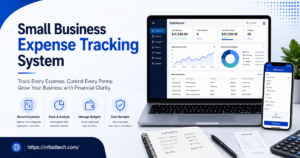
No fancy software needed starting, none. A spreadsheet with columns for client name, invoice date, amount, paid status — covers most of what a solo freelancer actually needs day to day. Color-code the overdue ones if that helps; some people swear by it. Honestly, whatever gets you to actually open the thing and look regularly matters more than the system itself.
Invoice Promptly and Consistently
Wait too long to send an invoice, and you’re just waiting longer to get paid, plus it gets easier to lose track of what you’re even owed in the first place. Send it the day the work’s done, or within a few days at the absolute latest. Set a recurring reminder if that’s what it takes. Freelancers who invoice inconsistently tend to have the messiest books I’ve ever seen; every single time, it’s almost predictable at this point, honestly.
Track Your Expenses As You Go
The biggest mistake I see isn’t freelancers forgetting to track expenses entirely. It’s saving the whole thing for one miserable session in March, trying to reconstruct an entire year from memory and a stack of receipts that have mostly gone illegible by then.
Snap a Photo the Moment You Spend Something
Most bookkeeping apps let you photograph a receipt right at the moment of purchase, and honestly, even just dumping photos into a dedicated phone folder works if you’re not ready to commit to software yet. The habit matters way more than whatever tool you pick. Do it right then. Not “later” — later doesn’t come, or it comes in March, and you already know how that goes.
Know What Counts as a Deductible Expense
Common ones for freelancers — software subscriptions, a slice of your internet bill if you work from home, a portion of home office space, equipment like a laptop or a camera, professional development courses, mileage too if you’re driving to meet clients. Rules shift by country and change sometimes without much warning, so this isn’t tax advice exactly. More a nudge toward actually asking an accountant or checking current guidance instead of just guessing and hoping it works out.
Don’t Round Up Numbers to Make Life Easier
Tempting, sure, to just estimate everything at year’s end. That’s precisely how deductions get missed, or worse, overstated in a way that causes headaches down the line. Real numbers tracked as they happen save you from all of that mess. Every time.
Set Aside Money for Taxes Constantly, Not Once a Year
Probably the single tip freelancers ignore longest. Right up until a tax bill lands that’s way bigger than anyone expected it to be.
The Rough Percentage Rule
Common starting point, setting aside 25 to 30 percent of every payment received, give or take depending on your bracket and where you’re located. Doesn’t need to be exact math. Move it to a separate savings account the same day you get paid, before you even think about spending a cent of it on anything else, no matter how tempting that new laptop looks.
Automate It If You Can
Some banks let you set automatic transfers that trigger off deposits landing. If yours does that, use it; don’t overthink it. Removes the willpower part entirely, because relying on yourself to manually move money every single time gets old fast and eventually — inevitably, really — someone just skips a month.
Consider Quarterly Estimated Payments
Depending where you live, taxes might be owed quarterly instead of just once a year in one lump sum. Miss these and you’re often looking at penalties stacked on top of the actual tax owed, which is an annoying way to lose money over something a calendar reminder could’ve fixed easily.
Review Your Numbers Monthly, Not Just at Tax Time
Wait until tax season to look at any of this and you’re reacting to twelve months of decisions all at once instead of adjusting course when it would’ve actually mattered.
A Simple Monthly Check-In
Once a month, twenty or thirty minutes, total income, total expenses, whatever’s left over. Doesn’t need to be a formal report or anything close to it. Just enough to notice a client’s been paying late repeatedly, or some subscription you forgot existed has been quietly draining money for four straight months.
Watch for Patterns
Over a few months you start noticing things. Certain months always run slower. One client, without fail, pays thirty days late no matter what your invoice terms actually say. All of this stays basically invisible checking once a year — obvious the second you’re actually looking regularly instead.
Choose the Right Tools for Where You Are
Solo freelancer doesn’t need enterprise accounting software, and honestly some tools actively overcomplicate life for someone with a fairly simple income structure to begin with.
Spreadsheets Are Fine to Start
Genuinely fine. A well-organized spreadsheet handles income, expenses, and a rough profit-and-loss view for most solo freelancers in year one or two easily. Nothing to be embarrassed about here. Plenty of experienced freelancers stick with spreadsheets long after they could easily afford dedicated software.
Free or Low-Cost Software Options
Once things get busier, multiple clients invoiced monthly, needing sharper reporting than a spreadsheet gives you, a handful of free-tier tools handle basic bookkeeping without any subscription attached. Look for invoicing, expense categorization, basic tax estimates baked in, and skip paying for features you won’t actually touch this year anyway.
Keep Records Longer Than You Think You Need To
Most tax authorities recommend holding onto financial records for several years, not just the current one, in case an audit or a question ever comes up about a past return.
Digital Storage Beats a Shoebox
Learn from my mistake on this one specifically. Scan receipts, keep digital copies of invoices, back everything up somewhere that isn’t just your laptop’s hard drive sitting alone. Cloud storage is cheap, sometimes free even, and losing a full year of records to spilled coffee or a dead drive is a genuinely rough way to learn this particular lesson.
When to Bring in an Accountant
Not every freelancer needs a full-time bookkeeper on staff, obviously, but there’s a point where a professional starts paying for themselves pretty clearly.
Signs You’ve Outgrown DIY Accounting
Income grown significantly, juggling multiple income streams now, or just spending hours a month confused staring at your own numbers — might be time. An accountant, even just booked for a few hours around tax season, often finds deductions or catches mistakes worth more than their entire fee.
You Can Still Do the Day-to-Day Yourself
Hiring an accountant doesn’t mean dropping the habits above, not at all. Most freelancers who work with one still track their own invoices and expenses throughout the year, then hand over organized records at tax time instead of a shoebox. Makes the accountant’s job faster too, usually, which tends to mean a smaller bill back for you.
Final Thoughts
None of this needs a finance background or hours carved out of your week. Separate accounts, invoices tracked as they happen, receipts photographed in the moment instead of later, tax money set aside constantly, numbers checked monthly instead of once a year in a panic. Genuinely most of it, right there.
Start with whatever tip feels most overdue for your situation right now, not all seven at once, that’s a recipe for doing none of them. Small consistent habits beat one heroic bookkeeping weekend every time I’ve seen it tested, and your future self come tax season will actually thank you for it — probably sitting there in April not stressed for once, just clicking through a spreadsheet that already makes sense instead of piecing together a whole year from memory and a stack of faded paper. That’s really the whole point here. Not perfect books. Just enough structure that nothing sneaks up on you later.







4 thoughts on “Simple Accounting Tips for Freelancers Who Hate Bookkeeping”